
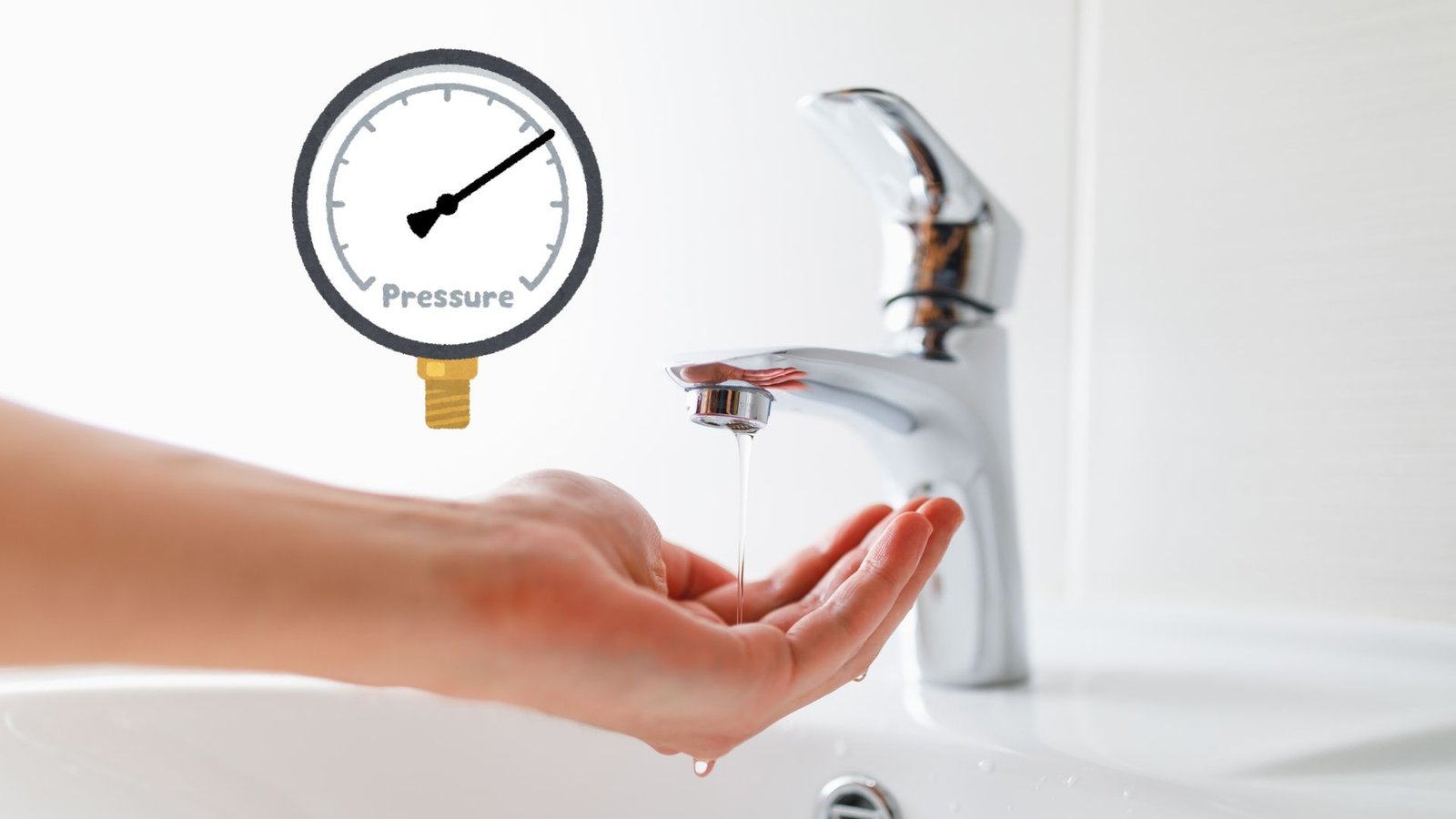
Few things are more frustrating than turning on a tap or stepping into the shower only to be met with a trickle of water.
Low water pressure is a common problem in UK households, and while it may seem like a minor inconvenience at first, it can often be a symptom of a larger plumbing issue.
In this blog post, we’ll explain what causes low water pressure, how to diagnose it, and—most importantly—how to fix it.
What Is Considered Low Water Pressure?
In most UK homes, normal water pressure ranges between 1 and 2 bar. If you’re experiencing weak flow from your taps or your shower is underperforming, chances are you’re dealing with low water pressure.
To get an accurate reading, you can use a pressure gauge or ask a qualified plumber to test it for you. This will help determine whether the issue is localised or affecting your entire system.
Common Causes of Low Water Pressure
1. Partially Closed Stop Tap or Isolation Valve
Sometimes the solution is simpler than you think. If the main stop tap (usually located under your kitchen sink) is partially closed, it can restrict water flow. The same goes for any isolation valves connected to appliances.
👉 Fix: Ensure all valves are fully open. Be cautious when turning them to avoid damaging old fittings.
2. Clogged Pipes
Over time, limescale, rust, and debris can build up inside your pipes—especially in older properties. This accumulation reduces the internal diameter of the pipe, restricting the water flow and leading to low water pressure.
👉 Fix: If you suspect pipework issues, contact a professional plumber. They may recommend power flushing or even replacing old pipework.
3. Faulty Pressure Regulator
Some homes have a pressure regulator installed to control the force of water entering the property. If this fails or is incorrectly set, it can cause erratic or consistently low water pressure.
👉 Fix: A plumber can test and adjust or replace the regulator if needed.
4. Leaks in the Plumbing System
A hidden leak can reduce water pressure without you even realising it. In addition to low water pressure, you might notice damp patches on walls, ceilings, or floors, and an increase in your water bill.
👉 Fix: Shut off your water supply and check your water meter. If it continues to tick over, you probably have a leak. Call a plumber immediately to locate and repair it.
5. Shared Supply Pipes
If you live in a terraced or older home, you might share a water main with your neighbours. At peak times—like mornings and evenings—this can result in low water pressure due to high demand.
👉 Fix: Consider installing a break tank and pump to boost internal pressure, or consult your water supplier about upgrading to a direct mains connection.
6. Issues with the Water Supplier
Sometimes, the problem isn’t inside your home at all. Maintenance work, burst water mains, or issues with the local network can cause temporary drops in pressure.
👉 Fix: Check with your water supplier. In the UK, you can visit websites like Thames Water to see if there’s ongoing work or reported issues in your area.
How to Increase Water Pressure in Your Home
If the pressure problem is ongoing and not caused by a leak or valve issue, here are a few solutions:
- Install a Home Booster Pump: These electric pumps are designed to increase the flow of water throughout your home.
- Fit a Shower Pump: If your shower is the main issue, a dedicated pump can transform your morning routine.
- Upgrade Your Plumbing: Replacing narrow or outdated pipework can improve pressure.
- Cold Water Storage & Booster System: For properties with gravity-fed systems, installing a break tank and booster pump may offer a complete solution to low water pressure.
When to Call a Professional
Persistent low water pressure can sometimes indicate more serious issues like corroded pipework or hidden leaks.
A Gas Safe registered heating and plumbing engineer can diagnose the problem properly and recommend the most cost-effective solution.
If you’re based in [Your Service Area], Pro Gas Services offers reliable plumbing diagnostics and repair services to help restore normal water pressure to your home.
Final Thoughts
Whether it’s a trickling tap or a dribbling shower, low water pressure is never something to ignore.
While it may seem like a minor issue, it often points to underlying plumbing problems that need to be addressed.
By identifying the root cause and taking appropriate action, you can enjoy a better water flow—and potentially avoid costly repairs in the future.
Need help fixing low water pressure in your home? Contact Pro Gas Services for expert support from your local plumbing and heating specialists.

